I met Julia several years ago and I jumped at the chance when she reached out to ask if I’d review her new book, Patchwork Luxe. I’ve made many quilts using neckties over the years and was eager to see (read?) if my approach to working with silks differed from hers.
Julia’s book is all about using repurposed silk ties, saris and kimonos. It’s an excellent guide on how to source and work with existing materials instead of buying new fabric to make luxurious quilts. The level of information in this book exceeded my expectations. Julia fills 126 pages with so much detail that confident beginning quilters can tackle projects simply by following her directions.

Overview
One of the things I love about this book is that Julia teaches you about silk. Julia smartly assumes that not everyone has sewn with silk so she gives you a history of the substrate sharing not only how it’s made but the different types of silk, different weaves and lustres of silk and she teaches you how to distinguish silk from synthetics and tells you why it’s important.
The book goes on to share how you can easily combine different substrates as well as the best backing, batting and binding choices. Julia shares the best way to clean silk quilts, too! Additionally there are several pages devoted to what she calls the 4 S’s of working with silk (seam allowance, stabilizers, support, starch) before diving into different techniques of working with silk.
Julia shares techniques to sew your silks that include traditional piecing, crazy piecing, fabric foundations and several ways to appliqué, giving you an assortment of ways to piece your silks so you can confidently dive into any project and be assured it’s successful.
The Importance of it All
I’m somewhat of a traditionalist when it comes to my piecing. In fact, many of you know that my first book, Piecing Makeover, was all about how to fine tune your patchwork so a book that focuses on the foundational elements to work with silk was right up my alley.
Patchwork Luxe will set you up for success sewing with silk fabric. You’ll gain a deeper understanding of the fabrics (crepe de chine vs raw silk vs silk satin, etc) and all of the information provides a strong base from which you can build. If you know and understand the properties of the fabric you are using, you’ll have an easier time sewing with them (ie how to successfully make a quilt using denim and silk).

Final Thoughts
I think this book is an excellent addition to any quilters library. I know many of us are asked to make memory quilts and having quick access to this arsenal of information will only benefit you, especially if sewing with silk is new for you. And if you sew with repurposed or upcycled materials, the information contained in this book will only help your practice become more successful.
Silk Quilts in Real Life
Much of what Julia suggests in her book is how I’ve tackled sewing with silks over the years; BUT I’d be remiss not to say that I learned a lot! I’m so glad I’ll have the tools in my toolbox to tackle more complicated quilts with silk in the future.
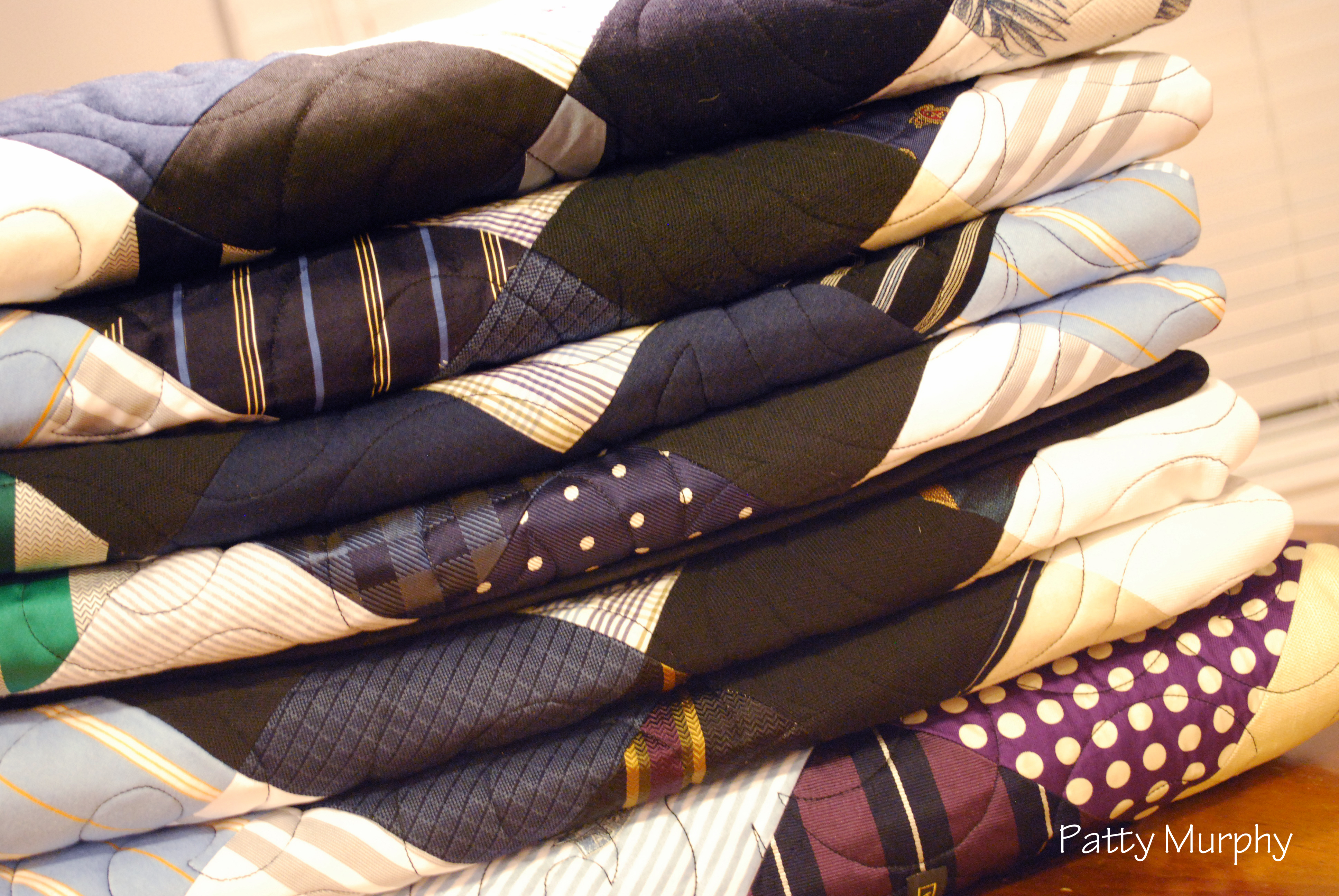
Here are a few examples of quilts I’ve made using silks. If I can do it, you can, too!


Resources
SHOP: Buy a copy here
ABOUT JULIA: Learn about Julia here
FIND JULIA ON CREATIVE SPARK: You can find her here